all heritage is poetry


all heritage is poetry


drawing with lenses to the canvas


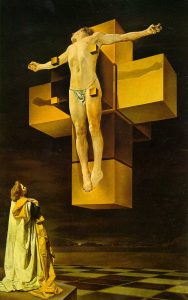
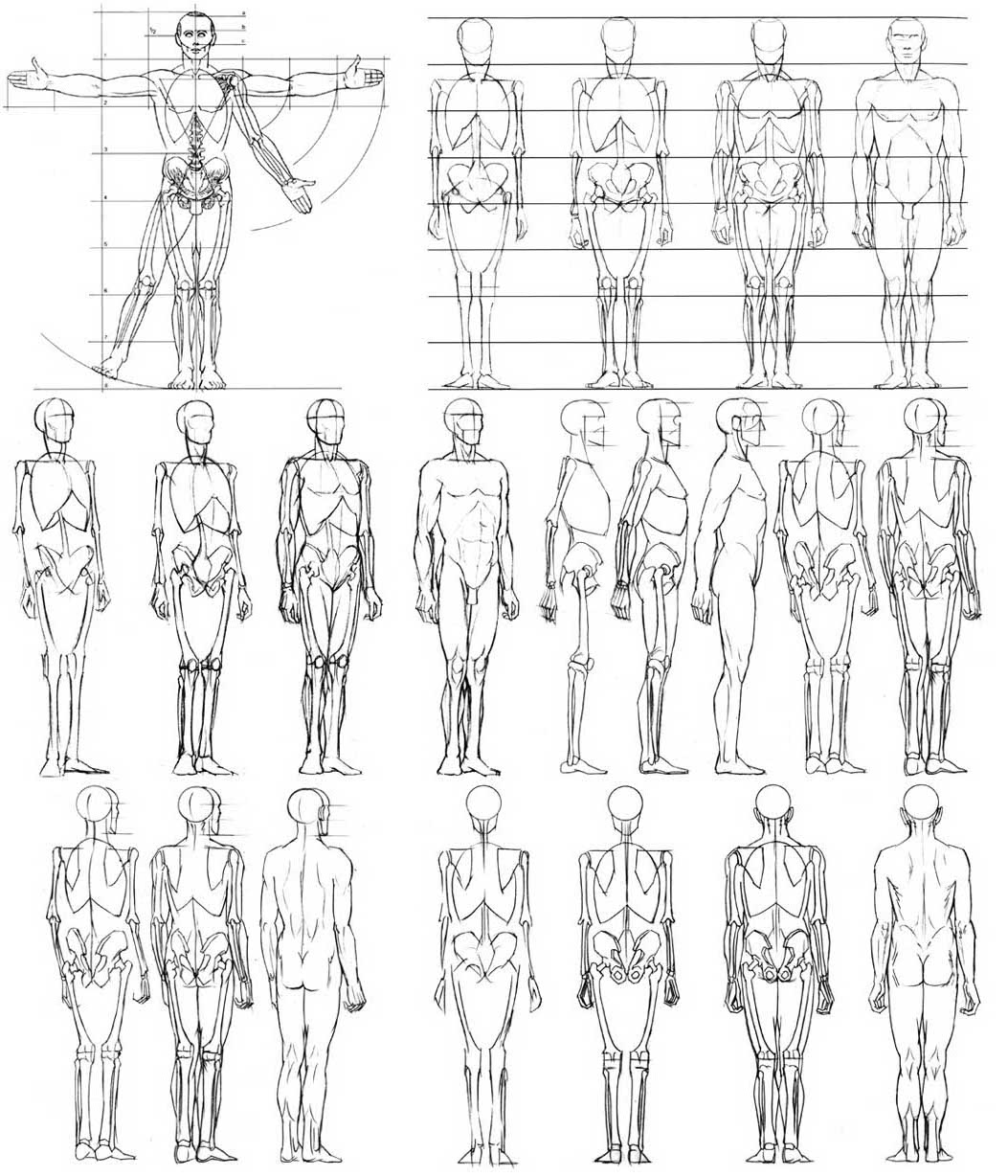
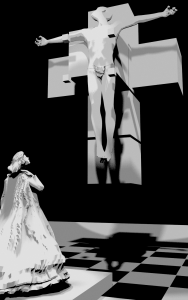
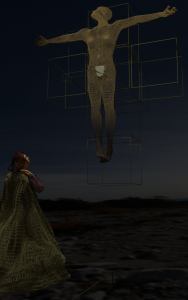
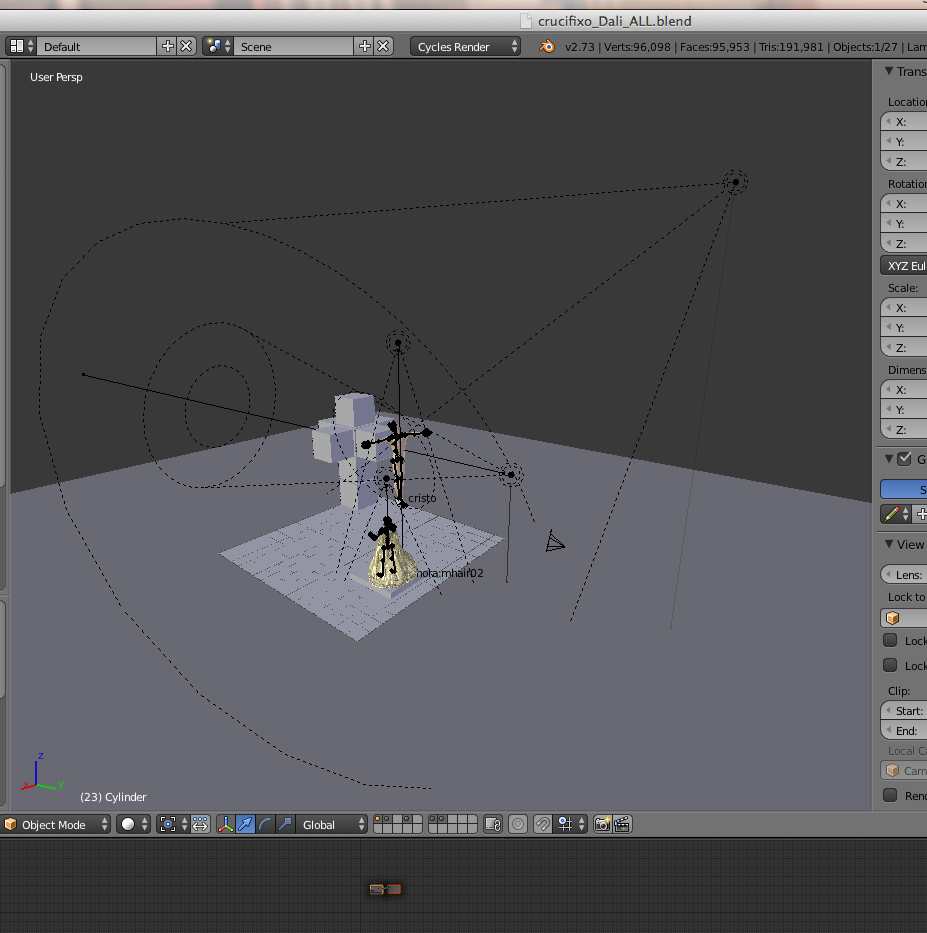
computational modelling of Salvador Dali painting.
|
|
|
|
|
|
|
|
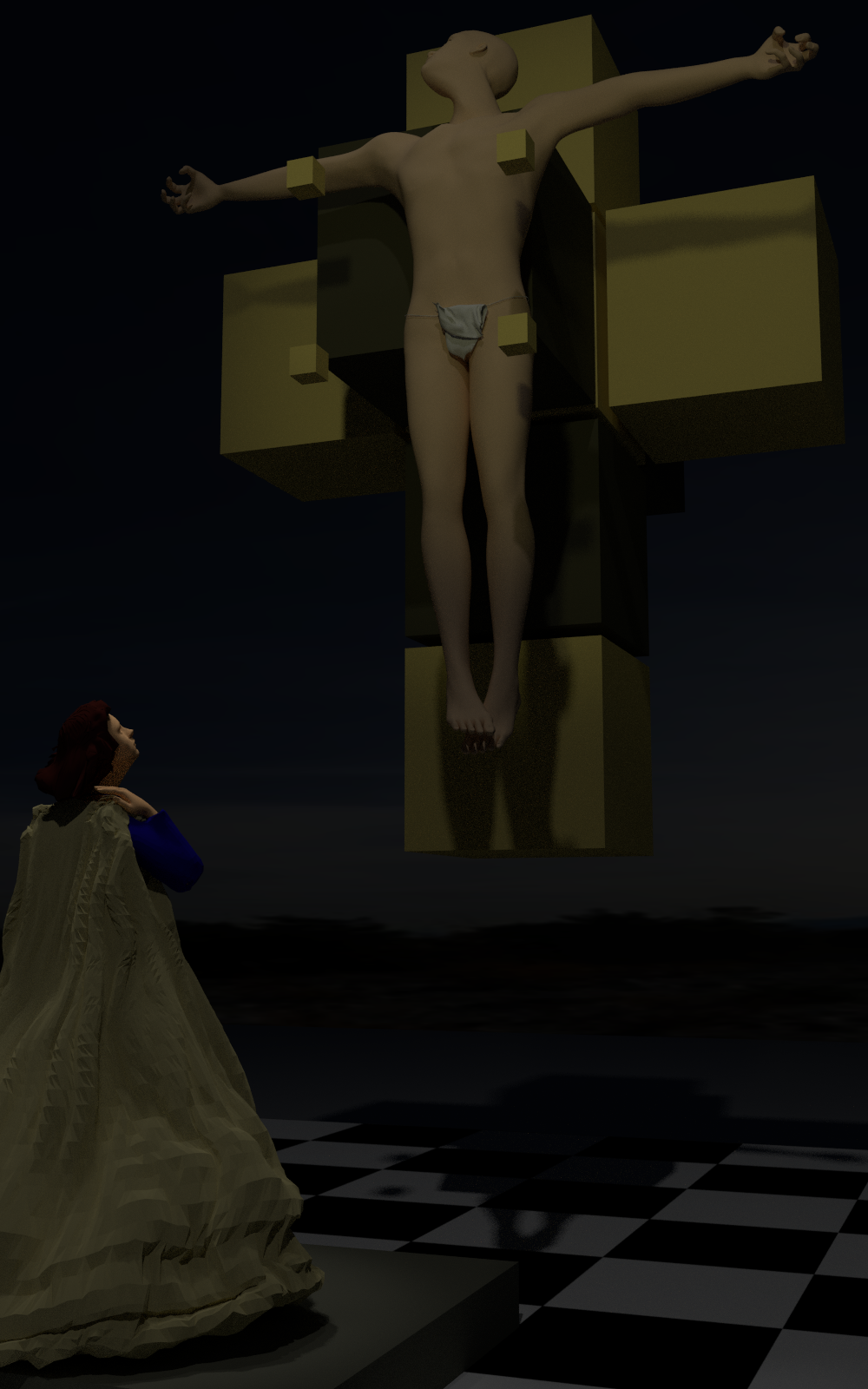
blender
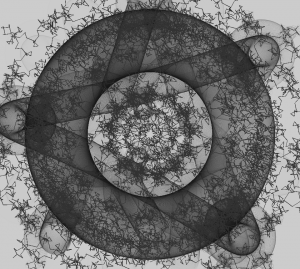
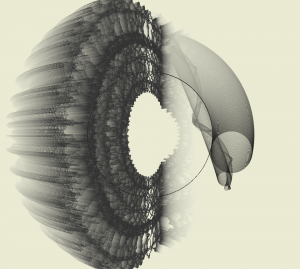
Exploitation of mathematical functions (Benice)
Static graphs generated by orbital movements, fractal roulettes or even a computer spirograph printing parts of the movement.





processing
Photographic memory retrieval.
Retrieval of photographic memory.
Dynamic graphics using elements from old postcards. Here I intended to obtain graphic intervention entirely from the original material. In the first version the layer that acts over the picture is a transparence of the handwritten text of the postcard’s backface.
In the second version the text runs in transparency infinitely over the image at the same time as a cascade of pixels is created from a vertical scan that extends the pixel lines over the image itself.

The image and the handwritten word.
The ephemeral nature of life.
Techniques explored in Processing: Texture and easing.
nervous graphics generator
[click on the square]
p5.js
Installation by the Department of Arts of the University and by the Division of Culture of the Municipality of Évora.
ephemeris: Évora – 30 Years World Heritage. Integrated in the S. João fair, 2016.
Acrylics: Afonso Pinto, Ana Rita Silva, Beatriz Agria, Diana Rogagels, Diogo Silva e Inês Gomes
Generativ art: André Rocha, Gonçalo César Pereira e João Bacelar.
Leading: professoras Teresa Furtado e Paula Reaes Pinto
Technical production: João Bacelar (B3B, Lda) and CME (Municipality of Evora).
Production: Cármen Almeida da Divisão de Cultura e Património do Município de Évora.
openframeworks, processing, cinema4D, VTP
Music: Ulf Enhorning, J Bacelar.
The theme aims to the presence of the aqueduct in Evora over the centuries. The humanized imagery in acrylic reports to past times and it’s complemented by contemporary graphics, video and generative clips that ask for thoughts about contemporary technological age.


contribution for design magazine (Objetos) Universidade de Évora
revista
pictures and text
Around 1905, Sergey Prokudin-Gorsky envisioned and formulated a plan to use the emerging technological advances that had been made in colour photography to document the Russian Empire systematically.
The Collection features colour photographic surveys of the vast Russian Empire made between ca. 1905 and 1915. in glass negatives: b&w triple-frame images made with colour separation filters.
This video was made using Processing programming language to achieve a colour mapping particle effect to act as an artistic reflection about the continuous change of image technology through time.
processing, moviemaker, blender, freesound.org
images from Library of Congress. USA